




Water around a home’s foundation can create ongoing basement moisture problems if it does not have a controlled place to go. During heavy rain, snowmelt, or periods of high groundwater, water can collect in the soil and build pressure against basement walls and floors.
Drain tile is designed to help manage that water before it becomes a bigger problem. Below, this drain tile installation company in Des Plaines, Illinois is going to discuss what drain tile is, how it works, and why it can be an important part of a basement waterproofing system.
Drain Tile Is a Groundwater Drainage System
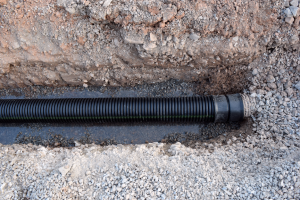
Despite the name, drain tile is not usually made of tile today. Modern systems typically use perforated pipe that is placed around part or all the foundation to collect water from the surrounding soil.
As groundwater builds up, it enters the drain tile system through small openings in the pipe. From there, the water is directed away from the foundation or toward a sump basin, depending on how the system is designed.
Drain Tile Helps Reduce Water Pressure
One of the main purposes of drain tile is to relieve pressure around the foundation. When soil becomes saturated, water pressure can push against basement walls and floors. This pressure is known as hydrostatic pressure.
If that pressure is not controlled, water may enter through cracks, floor joints, porous concrete, or the point where the wall meets the floor. A properly designed drain tile system gives that water a path to follow, which can help reduce the pressure that leads to seepage.
Interior and Exterior Systems Work Differently
Drain tile can be installed inside or outside the foundation, depending on the home and the type of water problem being addressed. An exterior system is placed outside the foundation to collect water before it reaches the basement wall. An interior system is placed along the inside perimeter to collect water that reaches the foundation area and direct it to a sump basin.
Homeowners in the Des Plaines area may need different solutions depending on the layout of the home, soil conditions, basement construction, and where water is entering. The right option should be based on the source of the moisture rather than guesswork.
Drain Tile Often Works with a Sump Pump
In many homes, drain tile directs water to a sump basin. Once water reaches the basin, the sump pump moves it away from the home through a discharge line.
This connection is important because collecting water is only part of the job. The system also needs a way to remove that water from the basement area. If the sump pump is not working properly, even a drain tile system may not be able to manage water effectively.
Signs You May Need Drain Tile
Some basement water problems point to a need for better drainage around the foundation. These signs may appear during storms, after snowmelt, or during long wet periods.
Common signs include:
- Water along the basement floor
- Seepage where the wall meets the floor
- Recurring dampness after rain
- Musty odors
- Moisture near foundation cracks
- A sump pump that runs frequently
These signs do not always mean drain tile is the only solution, but they do suggest that the drainage system should be evaluated.
The System Must Be Designed Correctly
Drain tile is most effective when it is installed at the right depth, placed in the right location, and connected to an appropriate drainage path. If the system is too shallow, poorly sloped, clogged, or incomplete, it may not manage water properly.
An experienced drain tile installation company in Des Plaines, Illinois can evaluate where water is entering, how groundwater is behaving around the foundation, and whether an interior or exterior system may be appropriate. This helps ensure the system is designed around the home’s actual waterproofing needs.
Drain Tile Is Part of a Larger Waterproofing Strategy
Drain tile can be an important waterproofing solution, but it is not the only factor that matters. Gutters, downspouts, grading, foundation cracks, window wells, and sump pump performance can all affect basement moisture.
For example, if your downspouts empty too close to the foundation, extra water may collect near the basement walls. If the sump pump is undersized or failing, water collected by the drain tile may not be removed properly. A complete inspection can help identify which issues need attention.
Looking for a Drain Tile Installation Company in Des Plaines, Illinois?
Drain tile is a drainage system that helps collect groundwater around the foundation and direct it away from the basement area. If your basement has recurring seepage, dampness, or water along the floor, a professional drain tile installation company in Des Plaines, Illinois can evaluate your home and recommend the right waterproofing solution.
At ULB-DRY Waterproofing, our experts help homeowners throughout Des Plaines and the surrounding communities protect their basements from a wide range of water problems. Contact us to learn more about our drain tile services.