




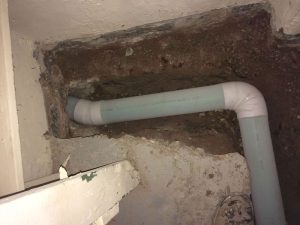
A drain tile system is designed to collect water around your foundation and direct it away from your basement. When the system is working properly, it helps prevent water from building up around the foundation and finding its way inside.
Below, this drain tile installation company in Hinsdale, Illinois is going to explain how to tell if your drain tile may be clogged, what warning signs to look for, and why drainage problems should be addressed early.
What Is a Drain Tile System Supposed to Do?
A drain tile system helps move water away from the foundation before it can enter the basement. It typically works with a sump pump or another drainage point to collect and redirect water.
When the system is clear, water can move through it properly. When it becomes clogged, damaged, or overwhelmed, water may begin collecting around the foundation instead.
This can lead to seepage, dampness, musty odors, or standing water inside the basement.
What Are the Most Common Signs of a Clogged Drain Tile?
The most common signs of a clogged drain tile system include water along the basement floor, damp walls, musty odors, standing water, and moisture that appears after heavy rain.
Some homeowners notice water where the wall meets the floor. Others may see wet spots near the foundation, water near the sump pit, or recurring dampness in the same part of the basement.
A drain tile installation company in Hinsdale, Illinois can inspect the system and determine whether a clog, damage, or poor drainage is contributing to the problem.
Why Is Water Coming in Where the Wall Meets the Floor?
Water entering where the basement wall meets the floor is often a sign that water pressure is building around the foundation. If the drain tile cannot collect and move that water away, it may find the easiest path into the basement.
This type of seepage may be more noticeable during heavy rain, snowmelt, or long periods of wet weather. It may start as a small damp area before becoming a larger water problem.
Even occasional seepage should not be ignored because it can point to a drainage issue that may get worse over time.
Can a Clogged Drain Tile Make the Basement Smell Musty?
Yes, a clogged or failing drain tile system can contribute to musty basement odors. When water is not draining properly, moisture can collect around the foundation or enter the basement in small amounts.
You may not see standing water right away. Instead, the basement may feel damp, smell musty, or have humidity that does not seem to go away.
Your drain tile installation company in Hinsdale, Illinois can evaluate whether the moisture is connected to the drain tile system, sump pump, foundation cracks, or another waterproofing issue.
Why Is My Sump Pump Not Getting Much Water?
If your sump pump is not receiving much water during wet weather, but your basement is still damp or leaking, the drain tile system may not be directing water to the pit properly.
The sump pump and drain tile system are designed to work together. The drain tile collects the water, and the sump pump moves it away from the home. If the drain tile is clogged or damaged, the pump may not receive the water it needs to remove.
A working sump pump cannot fully protect the basement if water is not reaching the sump pit.
Why Does Water Show Up After Heavy Rain?
Heavy rain can quickly saturate the soil around your foundation. If the drain tile system is clear and functioning, it should help collect that water and move it away.
If the system is clogged, collapsed, blocked, or overwhelmed, water may build up near the foundation and enter through cracks, joints, floor seams, or the wall-floor connection.
If you live in the Hinsdale area and notice basement water after storms, it is worth having the drainage system inspected before the problem becomes more serious.
Can Wet Soil Near the Foundation Be a Warning Sign?
Wet soil, standing water, or soggy areas near the foundation can sometimes point to poor drainage around the home. This may be caused by grading issues, downspout problems, soil conditions, or a drain tile system that is not working properly.
Exterior moisture problems do not always mean the drain tile is clogged, but they are worth paying attention to. Water that consistently collects near the foundation can increase pressure against the basement walls.
A waterproofing inspection can help determine whether the issue is inside the drainage system or related to exterior water management.
What Can Clog a Drain Tile System?
Drain tile systems can become clogged by sediment, dirt, mineral buildup, roots, or debris. Over time, these materials can slow the movement of water or block part of the system completely.
When water cannot move through the drain tile, it may collect around the foundation instead. This can increase hydrostatic pressure and make seepage more likely.
A clogged drain tile system is not always visible from inside the basement, which is why recurring moisture problems should be evaluated professionally.
Can Drain Tile Problems Damage the Basement?
Drain tile problems can lead to basement water damage if they are not addressed. Moisture can affect flooring, drywall, trim, stored belongings, insulation, and other materials.
Even if the water problem seems minor, repeated dampness can create musty odors and make the basement less comfortable to use. Over time, moisture issues may also become harder to manage.
The sooner the cause is identified, the easier it is to decide on the right waterproofing solution.
Looking for a Drain Tile Installation Company in Hinsdale, Illinois?
If your basement has water along the floor, damp walls, musty odors, standing water, or moisture after heavy rain, your drain tile system may be clogged or failing. A professional drain tile installation company in Hinsdale, Illinois can inspect your drainage system and explain the best way to address the problem.
At ULB-DRY Waterproofing, we help homeowners with drain tile systems, sump pumps, crack repair, and basement waterproofing solutions. Contact us to schedule an inspection and learn how we can keep water out of your basement.