




Water coming through basement walls usually means moisture is finding a path through cracks, joints, porous masonry, or areas where water pressure has built up outside the foundation. The right solution depends on where the water is entering and what is causing it to collect around the basement.
Below, this basement waterproofing company in Elgin, Illinois is going to explain why basement walls leak, which waterproofing methods may be used, and why controlling drainage around the foundation is often part of the solution.
Why Is Water Coming Through My Basement Walls?
Basement walls can leak for several reasons.
Hydrostatic pressure can push groundwater against the foundation, while cracks, deteriorated mortar joints, wall penetrations, or porous concrete can provide pathways into the basement. A qualified basement waterproofing company in Elgin, Illinois can inspect the leak pattern and determine whether the problem is isolated or connected to a larger drainage issue.
Can Foundation Cracks Let Water Into the Basement?
Yes.
Cracks in poured concrete walls can allow water to seep through when the soil outside becomes saturated. Some cracks remain dry most of the time but begin leaking after heavy rain or snowmelt.
Depending on the crack and the condition of the wall, repair may involve sealing or injecting the crack as part of a broader waterproofing plan.
Will Waterproof Paint Stop Water From Coming Through the Wall?
Waterproof coatings can help with minor surface dampness in some situations, but they do not correct every source of water intrusion.
If groundwater pressure is forcing water through a crack, joint, or structural opening, coating only the interior surface may not address the underlying cause. Moisture may continue building behind the wall or find another path inside.
How Does Interior Drain Tile Help?
Interior drain tile is designed to collect water that reaches the foundation and direct it toward a sump basin.
The system is commonly installed around the perimeter of the basement beneath the floor. Water entering at the wall-floor joint or moving beneath the slab can be captured before it spreads across the basement.
An experienced basement waterproofing company in Elgin, Illinois can determine whether perimeter drainage should be part of the solution based on where the water is appearing.
Can Water Enter Where the Wall Meets the Floor?
Yes.
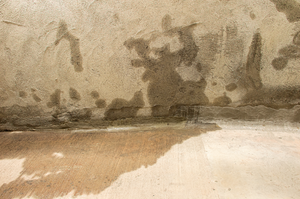
The joint between the basement wall and floor is a common place for water to appear. Groundwater can rise beneath the floor slab or move alongside the foundation and enter at this connection.
For homeowners in the Elgin area, leaks that appear after extended rainfall can be a sign that the drainage system is struggling to manage groundwater around the foundation.
Can Exterior Drainage Reduce Basement Wall Leaks?
It can.
Gutters, downspouts, grading, and exterior drainage all influence how much water collects near the foundation. Downspouts should carry roof runoff away from the house, and the ground should generally direct surface water away rather than toward the basement walls.
Correcting exterior drainage problems can reduce the amount of water the foundation must handle.
When Is Exterior Waterproofing Used?
Exterior waterproofing addresses water from the outside of the foundation.
The process can involve exposing the foundation wall, repairing cracks or defects, applying waterproofing materials, and improving exterior drainage. It may be appropriate when outside access is practical and the condition of the wall calls for an exterior solution.
Not every basement leak requires excavation, so the source of the problem should be identified first.
Can a Sump Pump Help With Water Coming Through Basement Walls?
A sump pump can be an important part of the system when groundwater is involved.
Drain tile can direct collected water toward the sump basin, and the pump then moves that water away from the home. The pump does not seal the wall itself, but it can help control the water pressure and drainage conditions contributing to basement seepage.
At ULB-DRY Waterproofing, we evaluate wall leaks along with foundation cracks, drainage, sump pump performance, and other conditions that may be allowing water into the basement.
Looking for a Basement Waterproofing Company in Elgin, Illinois?
Stopping water from coming through basement walls starts with identifying whether the source is a crack, wall-floor joint, groundwater pressure, poor drainage, or another foundation condition. A professional basement waterproofing company in Elgin, Illinois can determine which combination of repairs and drainage improvements fits the problem.
At ULB-DRY Waterproofing, we provide basement waterproofing solutions designed around the way water is entering the home. Contact us to have your basement evaluated and determine the appropriate approach for keeping it dry.