




Water in a basement can be frustrating because the source is not always obvious. Sometimes it appears after heavy rain, while other times it shows up as damp walls, floor seepage, musty odors, or moisture that slowly gets worse over time.
Below, this basement waterproofing company in Oak Brook, Illinois is going to explain some of the most common reasons water can enter a basement and why it’s important to address the problem early.
Poor Grading Around the Home
One common cause of basement water is poor grading around the foundation. If the ground slopes toward the house instead of away from it, rainwater can collect near the foundation walls.
Over time, that water can seep through cracks, gaps, or porous areas in the foundation. Even a small slope problem can send a large amount of water toward the home during heavy rain.
If you own a home in the Oak Brook area, checking the way water moves around your property can be an important first step when basement moisture becomes a problem.
Clogged or Short Downspouts
Gutters and downspouts are designed to move roof water away from the home. If they are clogged, damaged, or draining too close to the foundation, water can collect where you do not want it.
When downspouts release water near the base of the house, the soil around the foundation can become saturated. Once the soil holds too much water, pressure can build against the basement walls.
Extending downspouts away from the foundation can help, but if water is already entering the basement, a more complete evaluation may be needed.
Hydrostatic Pressure
Hydrostatic pressure happens when groundwater builds up around the foundation and pushes against the basement walls or floor. This pressure can force water through cracks, joints, floor seams, or other weak points.
You may notice water coming in where the wall meets the floor, through small cracks, or in multiple areas during wet weather. These signs can indicate that water is not draining properly around the foundation.
A basement waterproofing company in Oak Brook, Illinois can evaluate whether hydrostatic pressure may be contributing to the problem and recommend the right solution.
Foundation Cracks
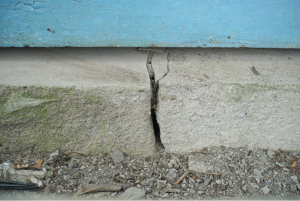
Foundation cracks are another common path for water. Some cracks are easy to see, while others may be hidden behind finished walls, storage, or utility areas.
Cracks can form for several reasons, including settling, soil movement, freeze-thaw cycles, or pressure from water around the foundation. Once a crack creates an opening, water may find its way inside during rain or snowmelt.
Even if a crack only leaks occasionally, it should not be ignored. A small leak can become a bigger issue over time.
Window Wells
Basement window wells can also allow water to enter if they are not draining properly. Leaves, dirt, debris, or poor drainage can cause water to build up inside the well.
If the water rises high enough, it may leak through the window, around the frame, or into the surrounding wall. This can lead to water stains, damaged trim, wet flooring, or moisture behind finished surfaces.
Keeping window wells clear can help, but recurring water problems may point to a drainage issue that needs professional attention.
Sump Pump Problems
A sump pump helps move water away from the home before it can rise into the basement. If the pump fails, loses power, becomes clogged, or cannot keep up with the amount of water entering the pit, basement water problems can develop quickly.
You may notice water near the sump pit, damp flooring, or flooding during storms. If your sump pump runs constantly or does not turn on when it should, it may need to be inspected.
A sump pump is only helpful when it is working properly and connected to an effective drainage system.
Drain Tile Issues
Drain tile systems are designed to collect water around the foundation and direct it toward the sump pump or another drainage point. If the drain tile is clogged, damaged, collapsed, or overwhelmed, water may not be able to move away from the foundation as intended.
This can lead to seepage, standing water, or moisture along the basement perimeter. In some cases, the sump pump may still be working, but the water is not reaching it properly.
Your basement waterproofing company in Oak Brook, Illinois can inspect the drainage system and determine whether drain tile problems may be part of the issue.
Plumbing Leaks
Not all basement water comes from outside. Sometimes the source is a plumbing leak inside the home.
Water heaters, washing machines, supply lines, drain lines, utility sinks, and overhead pipes can all leak. A plumbing leak may be mistaken for seepage if the water spreads across the floor or collects near a wall.
Before assuming the foundation is the source, it is important to look at nearby plumbing fixtures and mechanical equipment.
Condensation and Humidity
Basement moisture can also come from condensation or high humidity. This may happen when warm, moist air meets cooler basement surfaces.
Condensation can appear on walls, floors, pipes, ductwork, or windows. While it may not look like a major leak, long-term moisture can still create musty odors and make the basement feel damp.
If humidity is part of the problem, waterproofing, ventilation, drainage, and moisture control may all need to be considered.
Looking for a Basement Waterproofing Company in Oak Brook, Illinois?
Water can enter a basement because of poor grading, clogged downspouts, hydrostatic pressure, foundation cracks, window well problems, sump pump failure, drain tile issues, plumbing leaks, humidity, and more. If you are seeing water or moisture in your basement, a basement waterproofing company in Oak Brook, Illinois can inspect the problem and explain the best way to address it.
At ULB-DRY Waterproofing, we help homeowners with sump pumps, drain tile systems, crack repair, and basement waterproofing solutions. Contact us to schedule an inspection and find out how we can help keep your basement dry.